
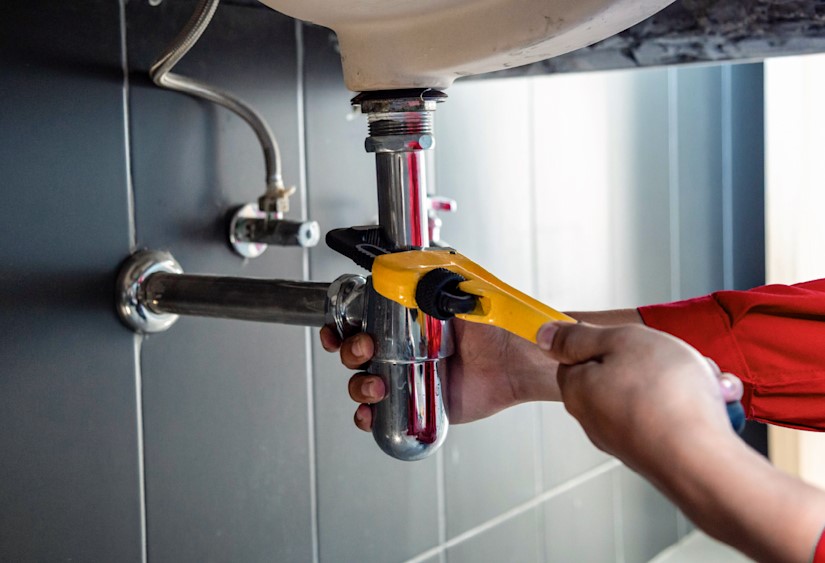
A Fixed Leak Doesn’t Mean the Damage Is Repaired
The pipe has been repaired, the dripping has stopped, and the plumber has packed up. Then you notice that the cabinet base is swollen and the flooring feels uneven beside it. Stopping the leak has dealt with the source, but damage caused by water entering through walls or flooring still needs attention.
Professional water damage restoration handles that remaining work. It involves finding where the water traveled, extracting what remains, drying affected materials, and repairing damage that drying alone will not reverse. A plumbing repair and a restoration job address different parts of the same incident.
Follow the water beyond the puddle
The wet patch beside a sink rarely tells the whole story. Water travels through gaps around pipes, beneath flooring, and along the bottom of wall cavities. By the time someone notices a leak, materials outside the obvious wet area are sometimes affected.
A restoration inspection establishes the extent of that damage. Technicians take moisture readings in affected materials and compare them with suitable unaffected areas. Depending on access and the findings, they inspect behind baseboards or beneath damaged flooring rather than judging the room by its surface appearance.
This assessment also records the condition of the materials before work starts. Photographs and moisture measurements give the repair team something specific to work from, especially when the damage extends into an adjoining room.
Removing water is the start of drying
Standing water needs extraction before the remaining moisture is addressed. Depending on the volume and location, restoration crews use pumps or extraction equipment to remove water trapped in accessible areas and flooring materials.
The next stage deals with moisture held inside the building materials. Air movers increase evaporation at exposed surfaces, while dehumidifiers remove moisture from the surrounding air. Equipment placement follows the affected area and the materials involved; pointing a household fan at the visible stain does not establish that the wall behind it is dry.
Drying also requires follow-up measurements. A surface that feels dry offers little information about the underside of a floor or the interior of a wall. Technicians track readings and adjust equipment as conditions change, rather than ending the job after an arbitrary number of days.
Some materials need removal, not more drying time
Swollen particleboard does not return to its original shape simply because its moisture level drops. Crumbling drywall and damaged floor layers also need assessment for replacement. The water source and contamination affect decisions about what is suitable to retain.
Selective removal gives crews access to trapped moisture and takes unsalvageable materials out of the repair area. That does not mean stripping every affected room. The scope should follow inspection findings, with a clear explanation of what needs removal and why.
Fun fact: Water moves through tiny spaces in porous materials by capillary action. That movement explains why moisture sometimes extends above the visible waterline on drywall or spreads beyond the edge of a puddle.
When the inspection reveals mold
If an inspection finds mold on affected materials, the work needs to address more than drying and cosmetic repairs. Professional mold remediation starts with evaluating the affected area and correcting the moisture source, followed by expert cleanup for affected areas. Depending on the extent and location of growth, the work involves containment to limit disturbance to surrounding rooms, removal of contaminated materials that are unsuitable to retain, and cleaning of salvageable surfaces. The repair plan should account for access behind finishes where the findings justify further investigation. Painting over discoloration leaves the underlying condition unresolved, while replacing a cabinet without examining the damp wall behind it leaves part of the damage unaddressed. Mold remediation belongs before reconstruction, with the work coordinated around drying and the condition of the remaining materials. A leak does not automatically mean mold is present; the inspection determines whether this additional work is needed
Rebuild after the drying work is verified
New flooring and fresh paint belong toward the end of the job. Before those finishes go in, the restoration team should document drying results and identify any repairs still outstanding.
Reconstruction then follows the actual damage: replacing removed drywall, rebuilding a cabinet base, or installing flooring over a suitable dry substrate. Ask for a written handoff that records what was dried, what was removed, and which areas are ready for repair. The person installing the new floor should know what happened beneath it before covering it again.