
7 Factors That Affect Plastic Injection Molding Costs
A plastic part weighing a few grams sometimes requires a mold that costs thousands of dollars. That gap explains why injection molding quotes deserve a closer look. The resin inside the finished product represents only part of the bill.
Tooling, production time, and inspection requirements all affect the price. Before requesting a quote at https://www.wundermold.com, outline your material requirements and expected order quantity so the estimate reflects the actual job. These seven factors explain where the money goes and which changes deserve discussion before production begins.
1. Part geometry and mold complexity
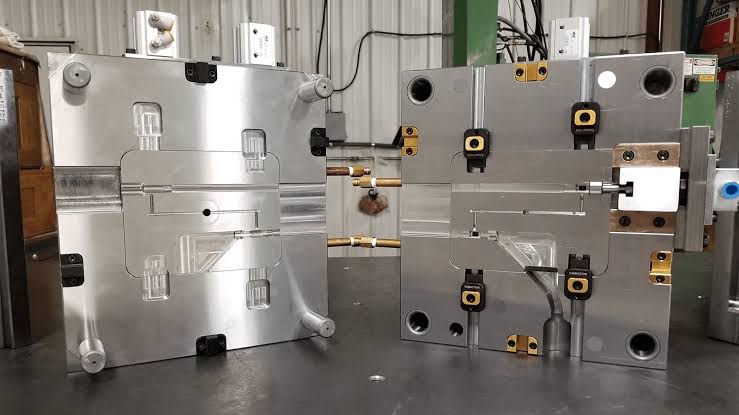
A simple shape that releases cleanly requires fewer mold components than a housing with side holes or internal hooks. Features that trap the part inside the mold, called undercuts, often require moving mechanisms to release it.
Those mechanisms add machining, fitting, and maintenance work. Small changes to a hole position or fastening feature sometimes remove the need for them. Reviewing the design before cutting metal leaves more room for savings than negotiating after the tool is finished.
2. Resin grade and material consumption
Material selection starts with the conditions the part will face. A protective cover exposed to cleaning chemicals has different requirements than a gear subjected to repeated friction. Paying for properties the application does not need increases spending without improving performance.
Compare specific resin grades rather than broad plastic categories. Reinforcement, flame resistance, and color additives affect pricing. Part weight matters too, along with plastic left in runners, the channels that carry molten resin into the cavities. Reusing that material depends on the product specification and processing limits.
3. Wall thickness and cooling time
Thick sections consume more resin and take longer to cool before ejection. They also increase the risk of sink marks, which appear as depressions on the surface. Uneven cooling contributes to warping and rejected parts.
Hollowing out a heavy section and adding properly proportioned ribs often preserves stiffness with less material. Thinner walls still need enough thickness for the resin to fill the cavity reliably. The target is a practical, consistent wall section suited to the material and geometry.
Fun fact: Under comparable cooling conditions, doubling wall thickness roughly quadruples cooling time. Even a small thick spot deserves attention because it often determines when the whole part is ready for ejection.
4. Mold construction and cavity count
Tool material, expected service life, and the number of cavities affect the upfront investment. A mold intended for limited testing has different demands than one scheduled for repeated production over several years.
Extra cavities produce more parts during each molding cycle, spreading machine time across more units. They also require additional tooling work and sufficient machine capacity. A four-cavity mold is not automatically the cheapest choice for a small order. Its higher purchase price needs enough production volume to justify it.
5. Order quantity and repeat production
Tooling costs spread across the number of usable parts produced. For a hypothetical $12,000 mold, that allocation equals $12 per part at 1,000 units and $0.12 at 100,000 units, before materials and manufacturing charges.
Batch size affects recurring costs as well. Installing the mold and establishing stable processing conditions takes time with each production run. Frequent small orders repeat that work. Request prices at realistic order quantities, then weigh the savings against storage costs and the risk of holding obsolete stock.
6. Tolerances, appearance, and inspection
A tight dimensional tolerance creates extra demands on tooling, process control, and measurement. Applying the same narrow tolerance to every feature adds expense where it serves no functional purpose.
Identify the dimensions that govern assembly or movement, and specify them individually. Treat cosmetic requirements with similar care. A mirror finish requires more mold polishing than an ordinary textured surface. Hidden internal faces rarely need the same appearance standard as exposed surfaces. Detailed inspection reports also require labor and equipment time.
7. Work required after molding
The quoted molding price does not always include a finished, packed component. Painting, printing, threaded insert installation, and assembly add separate operations. Manual handling becomes especially noticeable across large quantities.
Ask for these charges to appear separately, including trimming and packaging. A molded-in marking sometimes removes a printing step; a revised fastening detail sometimes reduces assembly time. Before approving the tool, check exactly what leaves the production line. A low molding price loses its appeal if every part still needs several minutes of bench work.