
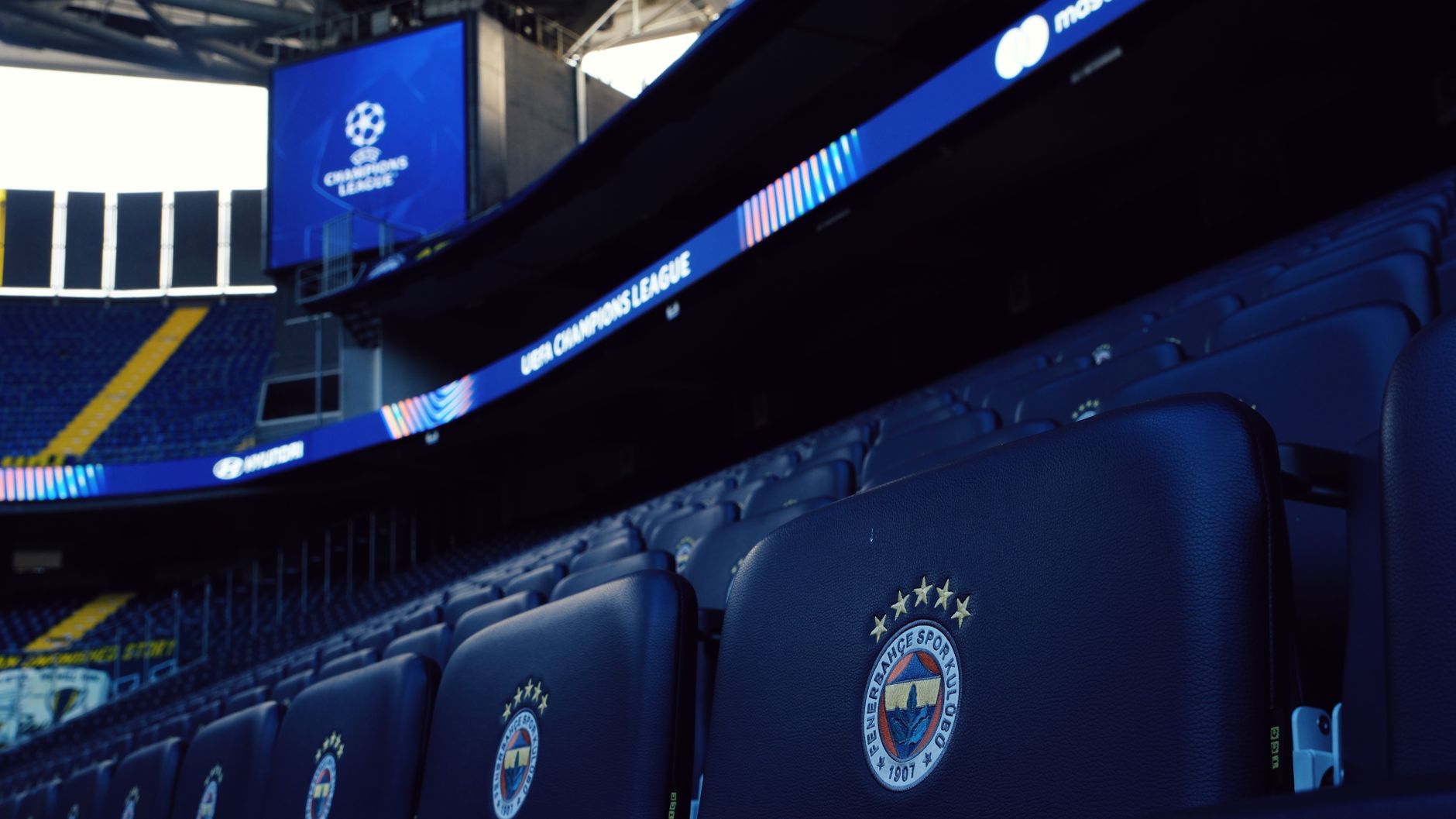
Palpites de Futebol: History and Evolution of the UEFA Champions League
The UEFA Champions League is one palpites de futebol of the most prestigious competitions in world football. Every year, Europe’s leading clubs compete in exciting matches in pursuit of one of the most desirable trophies in the sport. Featuring great players, renowned coaches, and historic encounters, the tournament has attracted millions of supporters across different continents. Palpites de Futebol provides an opportunity to explore the competition’s history, its most traditional clubs, and the moments that helped establish its international reputation.
The Champions League represents much more than a competition between teams. It brings together different football cultures, tactical styles, and sporting traditions. Since its creation, the competition has undergone significant changes that have helped increase its popularity and transform the European football calendar.
How the UEFA Champions League Began
The competition was established in 1955 under the name European Champion Clubs’ Cup. Initially, it mainly brought together the national champions of Europe’s leading football leagues.
The first tournament was won by Real Madrid, who defeated Stade de Reims in the 1956 final. The Spanish club also dominated the early editions, winning five consecutive titles between 1956 and 1960.
In 1992, the competition officially adopted the name UEFA Champions League. This transformation marked a new era, introducing changes to the format, greater club participation, and expanded international broadcasting.
The Most Important Clubs in Champions League History
The history of the Champions League features teams that have built extraordinary records and achieved international recognition.
Real Madrid
Real Madrid is the most successful club in the history of the competition. Its European tradition includes legendary generations of players and numerous memorable finals.
AC Milan
The Italian club has an important history in the tournament, with teams that have influenced different generations of European football.
Bayern Munich
The German giant has won several titles and palpites jogos de futebol de hoje become a regular presence in the competition’s decisive stages.
Liverpool
Liverpool is known for its historic campaigns and the incredible support of its fans during major European nights.
Barcelona
The Spanish club has won important titles with different generations of players, particularly during Lionel Messi’s successful period at the club.
Great Players Who Made Champions League History
The competition has also become famous for performances by some of the greatest footballers in history.
Some of the most important names include:
- Cristiano Ronaldo: The all-time leading goalscorer in Champions League history.
- Lionel Messi: One of the most influential and decisive players in the competition.
- Karim Benzema: A French forward who won several titles with Real Madrid.
- Paolo Maldini: An AC Milan icon and an outstanding defensive reference.
- Zinedine Zidane: A Champions League winner as both a player and a coach.
- Raúl González: One of the most important figures in Real Madrid’s history.
- Luka Modrić: A key midfielder in the Spanish club’s European achievements.
These athletes helped transform important matches into unforgettable sporting moments.
How the Current Competition Format Works
The UEFA Champions League underwent a major restructuring during the 2024/25 season.
The traditional group stage was replaced by a league phase featuring 36 teams. Under this format, each club plays eight matches against different opponents.
The final league standings determine qualification for the knockout stages:
- The top eight teams advance directly to the Round of 16.
- Teams finishing between 9th and 24th place compete in a play-off round.
- The play-off winners complete the Round of 16 lineup.
- The remaining stages include the quarter-finals, semi-finals, and final.
This change increased the number of competitive fixtures and introduced new possibilities for participating clubs.
Historic Champions League Finals
Some finals have become legendary because of dramatic comebacks, decisive goals, and outstanding individual performances.
Liverpool vs Milan – 2005
The final played in Istanbul became famous for Liverpool’s remarkable comeback. After falling three goals behind, Liverpool recovered and eventually won the trophy through a penalty shootout.
Manchester United vs Bayern Munich – 1999
Manchester United scored twice during stoppage time to achieve one of the most memorable comebacks in the competition’s history.
Real Madrid vs Atlético Madrid – 2014
Real Madrid won during extra time and secured La Décima, its tenth European title.
The Importance of Tactics in the Champions League
The strategies used by coaches play an essential role in European encounters.
Some of the most important tactical elements include:
- Defensive organization.
- Control of ball possession.
- Pressing against the opposition’s build-up.
- Quick attacking transitions.
- Effective finishing.
- Tactical adjustments during matches.
Coaches must consider their opponents’ playing styles and the characteristics of their own players when developing competitive strategies.
Technology and the Modernization of European Football
The Champions League uses different technological resources to improve refereeing decisions and enhance the experience of football supporters.
Some of the main technologies include VAR, goal-line technology, player monitoring systems, and digital statistics.
These tools help evaluate important match situations and provide more detailed information about team performances.
The Role of Palpites de Futebol in Champions League Coverage
Palpites de Futebol can provide informative content about the competition’s history, participating clubs, outstanding players, and important events from each season.
Readers can explore tactical analysis, historical records, player profiles, and interesting facts about memorable European nights.
For updated information, it is important to consult official UEFA calendars, results, and league standings.
Final Thoughts
The UEFA Champions League holds a special position in international football. Its history brings together legendary clubs, extraordinary players, and matches that continue to be remembered by supporters from different generations.
Through original and informative content, Palpites de Futebol can help readers learn more about this competition and follow the evolution of European football.